

Fräsmaschinen Für Jedes Budget Kaufen
レビューを追加する概要
-
設立日 2016年8月17日
-
求人情報 0
-
視聴済み 32

会社概要
A Brief History Of Buy Metal Milling Machines History Of Buy Metal Milling Machines
A Comprehensive Guide to Buying Metal Milling Machines
Metal milling machines are an essential property for any workshop, from small businesses to big production facilities. They provide the means to form, cut, and end up a range of metal parts with precision and performance. In current years, the developments in milling technology have actually made these machines more accessible and versatile, enabling users to meet a wide range of tasks. This guide supplies an extensive check out the considerations manufacturers and hobbyists ought to take into consideration before buying a metal milling machine, in addition to a comparison of popular models available on the market.
Kinds Of Metal Milling Machines
Before diving into particular models, it’s crucial to understand the numerous kinds of metal milling machines to identify which is best fit for particular needs.
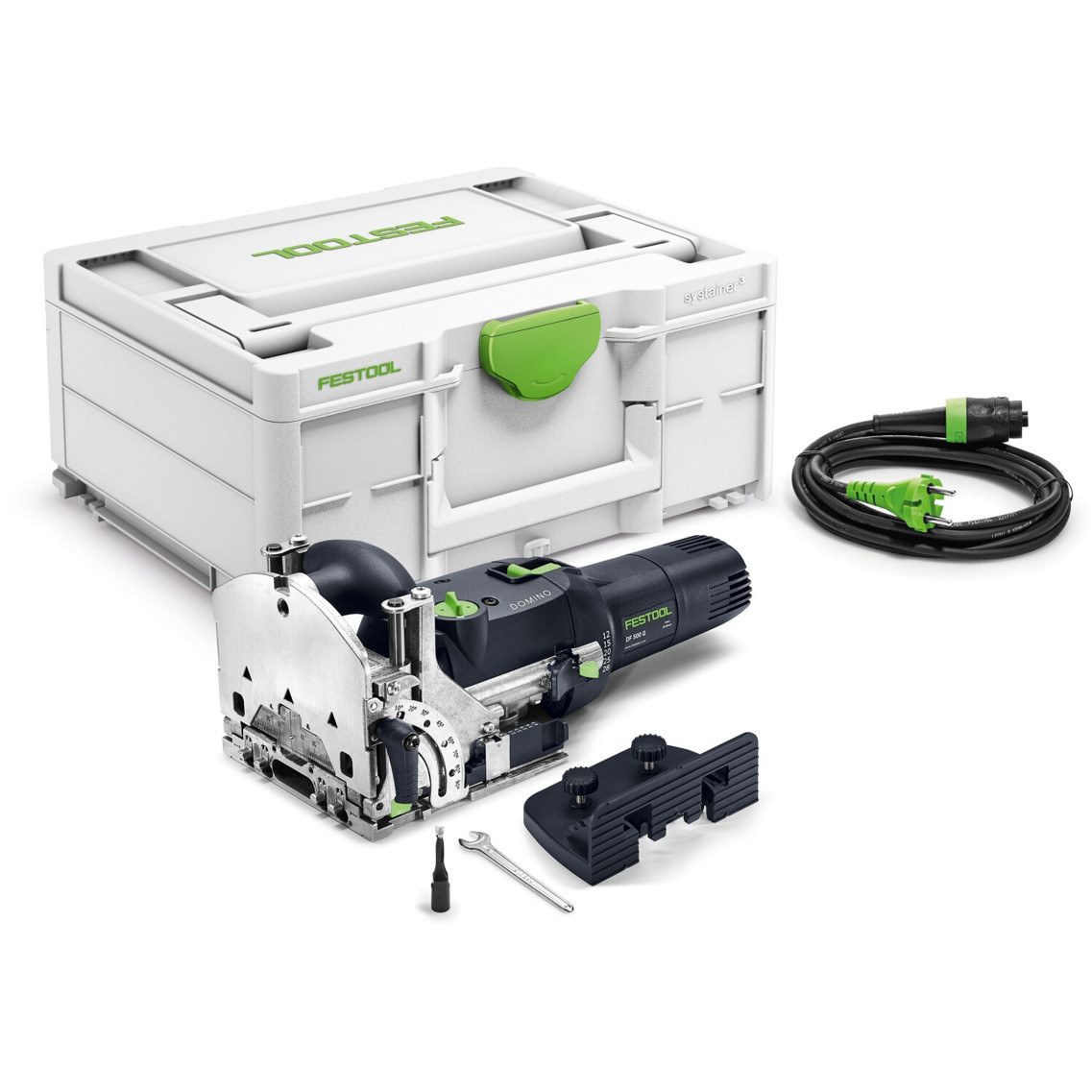
| Type of Milling Machine | Description | Perfect Use |
|---|---|---|
| Vertical Milling Machines | Functions a vertically oriented spindle. Operates by moving a table up and down. | Precision machining of detailed designs; ideal for smaller, more comprehensive tasks. |
| Horizontal Milling Machines | Spindle is horizontally oriented, with the ability to cut along the length of the workpiece. | Effective under heavy loads; excellent for bulk product elimination and producing big parts. |
| CNC Milling Machines | Computer-controlled milling machines that automate the cutting process. | Complex styles and high-volume production; preferred for their precision and repeatability. |
| Benchtop Milling Machines | Compact machines ideal for small workshops and hobbyists. | Best for DIY lovers and small operations. |
| Universal Milling Machines | Provides the versatility of both vertical and horizontal milling. | Versatile for numerous jobs; appropriate for workshops that handle varied projects. |
Key Considerations When Buying a Metal Milling Machine
When looking for the right milling machine, purchasers should take into account the following factors to guarantee they make a notified decision.
1. Function and Usage
- Hobbyist vs. Industrial Scale: Identify whether the machine is being purchased for individual projects or for industrial jobs.
- Workpiece Size and Material: Consider the type and sizes of the products that will be processed.
2. Machine Specifications
- Power and Speed: Opt for a machine that has adequate horse power and RPM to fit your desired tasks.
- Size and Weight: Ensure there is adequate office for the machine’s dimensions and weight.
3. Resilience and Build Quality
- Choose sturdy machines that can withstand extensive use gradually. Try to find robust products such as cast iron.
4. Control and Ease of Use
- Depending on the user’s experience level, pick a machine that has instinctive controls or deals CNC capabilities for sophisticated users.
5. Upkeep and Support
- Investigate warranty options, client support offered, and ease of maintenance or finding parts.
Popular Metal Milling Machines in 2023
Here is a comparative overview of some of the most popular milling machines which vary in functions, price, and user requirements:
| Model | Type | Price Range | Key Features | Appropriate For |
|---|---|---|---|---|
| Haas Mini Mill | CNC Vertical | ₤ 40,000 – ₤ 50,000 | Compact design, 10,000 RPM spindle, automation options | Small to medium stores |
| Bridgeport Series I | Vertical | ₤ 10,000 – ₤ 15,000 | Classic style, adjustable table, flexible | Educational, prototyping |
| Grizzly G8689 | Benchtop | ₤ 1,000 – ₤ 2,500 | Small footprint, variable speed control | Hobbyist |
| Jet JTM-2 | Vertical | ₤ 5,000 – ₤ 10,000 | Heavy-duty building, power downfeed | Small producers |
| Tormach PCNC 440 | CNC Benchtop | ₤ 4,500 – ₤ 6,500 | User-friendly software application, flexible performance | Start-ups, small tasks |
Often Asked Questions (FAQs)
Q1: What is the difference in between horizontal and vertical milling machines?
A1: Horizontal milling machines have a spindle that runs horizontally, making them perfect for heavy-duty jobs and majorities. Vertical milling machines, nevertheless, have their spindle oriented vertically and are generally used for precision work on smaller sized components.
Q2: Are CNC milling machines worth the financial investment?
A2: Yes, CNC milling machines offer automation, precision, and effectiveness which can considerably enhance production rates and minimize labor costs. They are particularly helpful for businesses dealing with complex designs or high-volume production.
Q3: How typically do metal milling machines need maintenance?
A3: Maintenance schedules can differ but a basic guideline is to carry out daily look at lubrication and cleanliness, Elektrische Fräsmaschinen Kaufen while more extensive maintenance jobs should be performed according to the maker’s suggestions– normally every couple of months or quarterly.
Q4: Can I operate a milling machine if I have no previous experience?
A4: While it is possible, it is a good idea to go through proper training to comprehend the operations, security protocols, and best practices associated with using milling machines to avoid mishaps.
Q5: What safety devices do I require when running a milling machine?
A5: Always wear security goggles, hearing protection, and gloves to avoid injuries. It’s also advisable to use a face guard and guarantee that loose clothing or hair is secured to prevent any dangers while operating the machine.
Investing in a metal milling machine can significantly boost efficiency and precision in your workshop or manufacturing environment. By considering the various kinds of machines offered, understanding their key functions, and examining models based upon your unique needs, purchasers are now geared up to make a more educated choice. Whether you are a hobbyist or an industrial user, discovering the best milling machine can open new possibilities for crafting, prototyping, and manufacturing high-quality metal components.
