

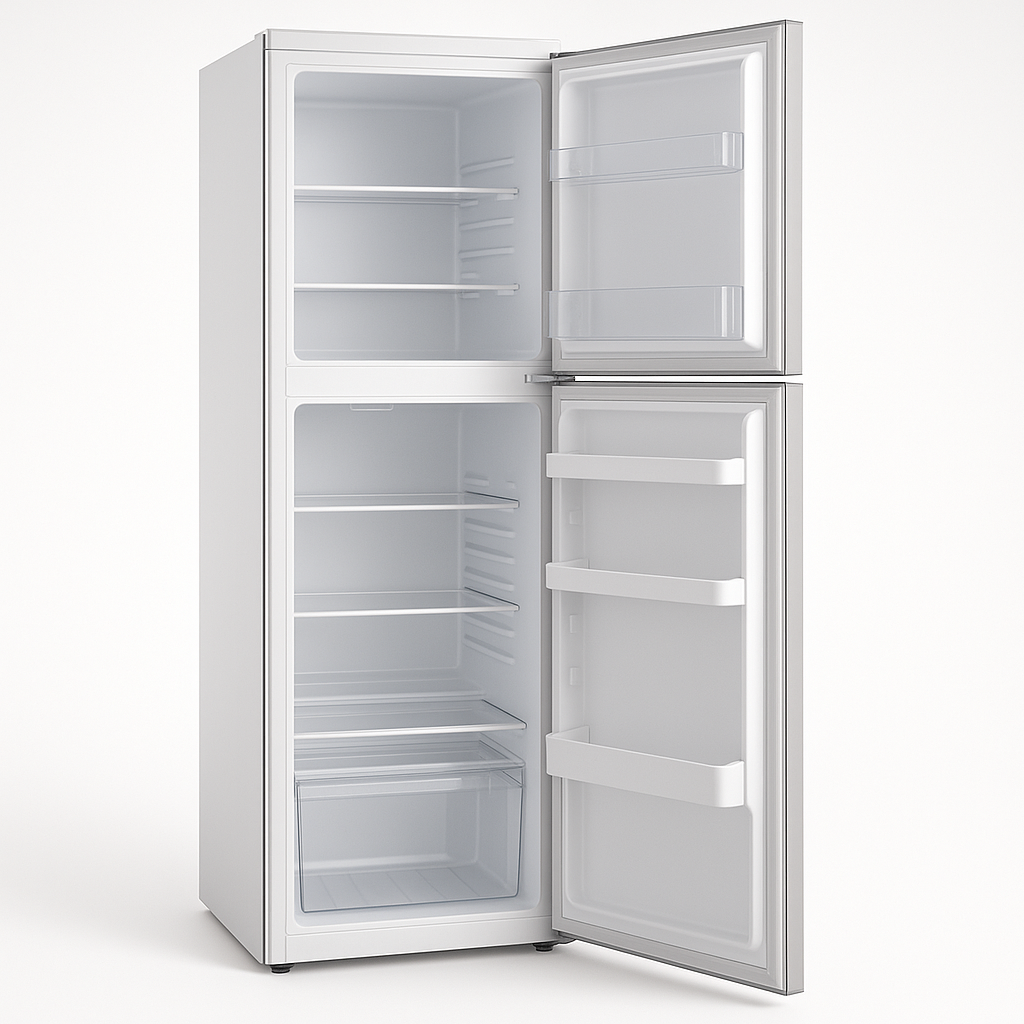
Kühl-Gefrier-Kombination Freistehend Test
レビューを追加する概要
-
設立日 1927年11月5日
-
求人情報 0
-
視聴済み 43

会社概要
There Is No Doubt That You Require Small Chest Freezer Test
Small Chest Freezer Test: A Comprehensive Review and Buying Guide
When it pertains to home appliances, few are as essential for food storage as a freezer. For lots of households, a small chest freezer can be a lifesaver, enabling much better inventory management of groceries, bulk purchases, and meal prep. In this article, we will dive into everything you need to understand to make an informed purchase regarding small chest freezers. This guide will cover efficiency comparisons, temperature maintenance, energy efficiency, capability, and more, rounded out with an FAQ area to deal with common questions.
Comprehending Small Chest Freezers
A small chest freezer is generally defined by its compact size, making it suitable for houses or smaller homes. They are built to hold food at low temperatures and are generally more energy-efficient than upright freezers. The majority of models are developed with a top-opening cover, which helps maintain cold air when opened.
Benefits and drawbacks of Small Chest Freezers
| Pros | Cons |
|---|---|
| Better insulation, resulting in energy cost savings | Requires more floor area |
| Generally quieter than upright models | Harder to organize items |
| Lower preliminary cost | Restricted ease of access |
| Exceptional for bulk storage | May not have as lots of features |
What to Look for in a Small Chest Freezer
When screening numerous small chest freezers, particular essential features and specs play a crucial role. Below is a list of elements to consider:
- Capacity: Measured in cubic feet, it specifies just how much food you can keep.
- Energy Efficiency: Look for Energy Star-rated models to minimize electrical energy bills.
- Temperature level Range: Must preserve a temperature level of 0 ° F or listed below for ideal food conservation.
- Thawing Type: Manual vs. automatic defrost features can affect upkeep and benefit.
- Construct Quality: Check for products and resilience.
- Service Warranty and Customer Service: Important for long-term ownership fulfillment.
Performance Comparison of Selected Models
To provide possible purchasers an educated perspective, we have actually assembled information from a number of tested designs in a comparison table below:
| Brand & & Model | Capacity (cu. ft.) | Energy Star Rated | Temperature Control | Defrosting Type | Price (GBP) | User Rating (out of 5) |
|---|---|---|---|---|---|---|
| Brand A – Model 1 | 5.0 | Yes | Adjustable | Manual | 299 | 4.5 |
| Brand Gefriertruhe Energieeffizient B – Model 2 | 3.5 | No | Repaired | Automatic | 249 | 4.2 |
| Brand C – Model 3 | 7.0 | Yes | Adjustable | Manual | 399 | 4.7 |
| Brand Name D – Model 4 | 4.5 | Yes | Adjustable | Manual | 279 | 4.3 |
Key Takeaways from the Test
- Capacity Matters: Smaller designs (3.5 cu. ft.) may be enough for couples or singles, while families frequently find larger designs (7.0 cu. ft.) beneficial.
- Energy Efficiency: Choosing an Energy Star-rated design can conserve significant energy in the long run.
- Thawing Type: Automatic defrost designs offer less trouble however might come with a higher price tag.
- Temperature Control: Adjustable temperature level settings permit for optimum versatility based on individual storage needs.
Practical Uses for Small Chest Freezers
Small chest freezers serve numerous useful purposes, including but not restricted to:
- Bulk Purchases: Ideal for purchasing meat, fruits, and vegetables wholesale.
- Meal Prep: Store pre-cooked meals to conserve time during hectic weeks.
- Seasonal Storage: Excellent for freezing summer produce or vacation meals.
- Emergency situation Supplies: Keep extra food on hand for emergencies or power interruptions.
Maintenance Tips for Small Chest Freezers
To ensure the longevity and ideal efficiency of a small chest freezer, consider the following maintenance suggestions:
- Regular Cleaning: Clean the interior every few months to prevent smells and contamination.
- Inspect for Frost Buildup: Manually thaw if frost buildup surpasses 1/4 inch.
- Check Seals: Ensure door seals are tight to maintain temperature efficiency.
- Keep It Full: A full freezer maintains temperature much better; fill it with bottles of water if needed.
Often Asked Questions (FAQ)
Q: How much electrical power does a small chest freezer take in?A: On average, small chest freezers consume between 200-400 kWh per year, varying by design and usage.
Q: How long can food be saved in a chest freezer?A: Food can typically be kept for 3-12 months, depending upon the type and preparation technique. Appropriate sealing and packaging enhance conservation.
Q: Is a chest freezer much better than an upright freezer?A: Chest freezers are typically more energy-efficient and offer much better insulation but can be more difficult to organize than upright models.
Q: How typically should I defrost my chest freezer?A: Ideally, defrost your chest freezer whenever frost buildup reaches 1/4 inch or more.
Q: What can I save in a small chest freezer?A: You can keep meats, veggies, fruits, pre-cooked meals, baked goods, and more.
Purchasing a small chest freezer can be one of the most fulfilling decisions for efficient food storage and management. By comprehending the numerous choices readily available and considering the pros and cons noted above, consumers can make a tailored option that fits their requirements. Whether it’s stockpiling on essentials or streamlining meal prep, a small chest freezer has something to offer every household. The performance comparison offered in this guide serves as an important recommendation in your decision-making journey, ensuring fulfillment with your brand-new appliance for many years to come.
