

Mobile Ramps For Wheelchairs
レビューを追加する概要
-
設立日 1925年6月16日
-
Sector 人事・総務
-
求人情報 0
-
視聴済み 28

会社概要
Five Mobility Ramps Projects For Any Budget
Mobility Ramps for Homes: Enhancing Accessibility and Independence
As society continues to progress towards inclusivity and ease of access, mobility ramps have ended up being vital fixtures in numerous homes. These ramps not only supply a method of entry for people with mobility challenges however likewise promote self-reliance, safety, and convenience. This article looks into the various aspects of mobility ramps for homes, assisting homeowners through their types, benefits, setup factors to consider, upkeep, and often asked questions.
Comprehending Mobility Ramps
Mobility ramps are created to facilitate the movement of individuals utilizing wheelchairs, scooters, or other mobility aids. They make it possible for simpler access to homes, garages, and exit points without the need for substantial physical exertion or assistance.
Key Benefits of Mobility Ramps
-
Independence: Mobility ramps empower people to get in and exit their homes without counting on help, fostering a sense of independence.
-
Security: An appropriate ramp minimizes the threat of falls and injuries that can occur when navigating stairs.
-
Adaptability: These ramps can be constructed for different environments and can be temporary or irreversible services.
-
Home Value: Installing a mobility ramp can increase the total worth of a home as it promotes inclusivity.
-
Alleviate of Use: Designed for a variety of mobility levels, ramps accommodate wheelchairs, walkers, and people with minimal mobility.
Kinds Of Mobility Ramps
Selecting the ideal mobility ramp depends upon specific requirements, physical area, and spending plan. Here’s a comprehensive comparison of typical types of mobility ramps:
| Ramp Type | Description | Pros | Cons |
|---|---|---|---|
| Portable Ramps | Lightweight, quickly transportable ramps, typically made from aluminum. | Easy to save and move, ideal for temporary requirements. | Minimal weight capability, may not appropriate for long-term use. |
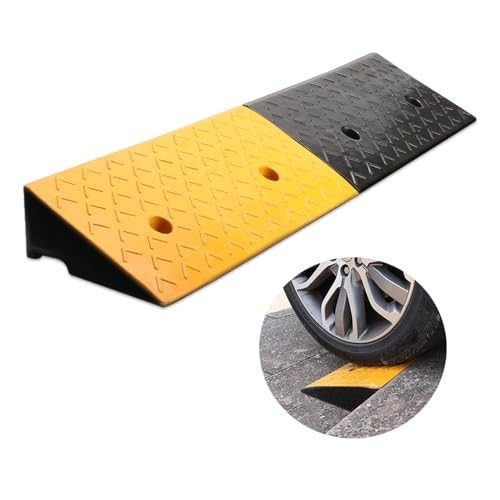
| Threshold Ramps | Brief ramps developed to bridge entrances or entrances. | Basic installation, beneficial for little height distinctions. | Not ideal for larger stairs or high slopes. |
| Irreversible Ramps | Built from wood, aluminum, or concrete, these ramps are indicated for long-lasting use. | Tough and durable, customizable to various lengths and heights. | More costly and may need planning/building authorizations. |
| Folding Ramps | Ramps that can fold for easy transportation or storage. | Storable and great for multiple uses. | Potentially less steady than irreversible alternatives. |
| Modular Ramps | Pre-fabricated areas that can be assembled to create a custom-made ramp design. | Easy to install and reorganize, versatile to various areas. | May have a greater in advance cost compared to other ramps. |
Installation Considerations
Prior to including a mobility ramp to a home, a number of aspects require to be considered to ensure ideal functionality and safety:
-
Space Assessment: Measure the area where the ramp will be set up, representing existing structures and pathways.
-
Building regulations: Familiarize yourself with regional structure codes and regulations to ensure compliance, especially for irreversible ramps.
-
Slope Ratio: The Americans with Disabilities Act (ADA) suggests a slope ratio of 1:12 for wheelchairs. This implies for every inch of vertical rise, there must be at least 12 inches of ramp run.
-
Material Selection: Choose a product that is long lasting and weather-resistant to prolong the ramp’s lifespan.
-
Surface area Texture: Ensure the ramp has a non-slip surface to reduce the threat of mishaps, particularly in severe weather condition.
-
Handrails: Consider setting up hand rails for extra support, particularly on longer ramps or those with steeper inclines.
Maintenance of Mobility Ramps
Preserving mobility ramps is essential for guaranteeing security and longevity. Here are some tips:
-
Regular Inspections: Inspect the ramp frequently for damage, wear, or loose bolts that may impact stability.
-
Cleaning: Keep the Ramp Wheelchair clear of particles, such as leaves and snow, to prevent slipping threats.
-
Surface Repair: Address any surface problems, such as splitting or splintering, in wooden ramps quickly.
-
Repaint if Necessary: For Metal Ramps For Wheelchairs ramps, repainting can help prevent rust and deterioration.
-
Check Handrails: Ensure hand rails are securely secured and can support weight when needed.
Frequently Asked Questions (FAQ)
1. Do I require an authorization to install a mobility ramp?
Yes, depending upon local regulations, a license may be required, particularly for irreversible ramps. It’s recommended to consult your local building authority.
2. How much does a mobility ramp expense?
The cost of mobility ramps varies commonly based upon the type, products, and installation requirements. Portable ramps can begin at a few hundred dollars, while irreversible ramps can range from ₤ 1,000 to ₤ 5,000 or more.
3. Can I install a ramp myself?
While some Portable Wheelchair Ramp Foldable Wheelchair Ramps are simple to set up, irreversible ramps often need expert installation to guarantee security and compliance with structure codes.
4. How do I determine the best slope for my ramp?
Follow the ADA standards of a 1:12 slope ratio for wheelchairs. Additionally, consider the particular needs of the user and the area available.
5. What products are best for outdoor ramps?
Aluminum, treated wood, and concrete are popular alternatives for outdoor ramps due to their toughness and resistance to weather.
6. Are there insurance advantages for installing mobility ramps?
Some insurance plan might cover Mobility Ramps For Home adjustments, consisting of ramps. Always talk to your insurance service provider for coverage details.
In conclusion, mobility ramps represent an important component of home availability, fostering self-reliance, safety, and inclusiveness. By comprehending the various types offered, thinking about installation requirements, preserving them successfully, and seeking answers to typical questions, homeowners can make sure an encouraging environment for those with mobility obstacles. Making the best choices regarding mobility ramps can considerably improve the lifestyle for people and their families.
